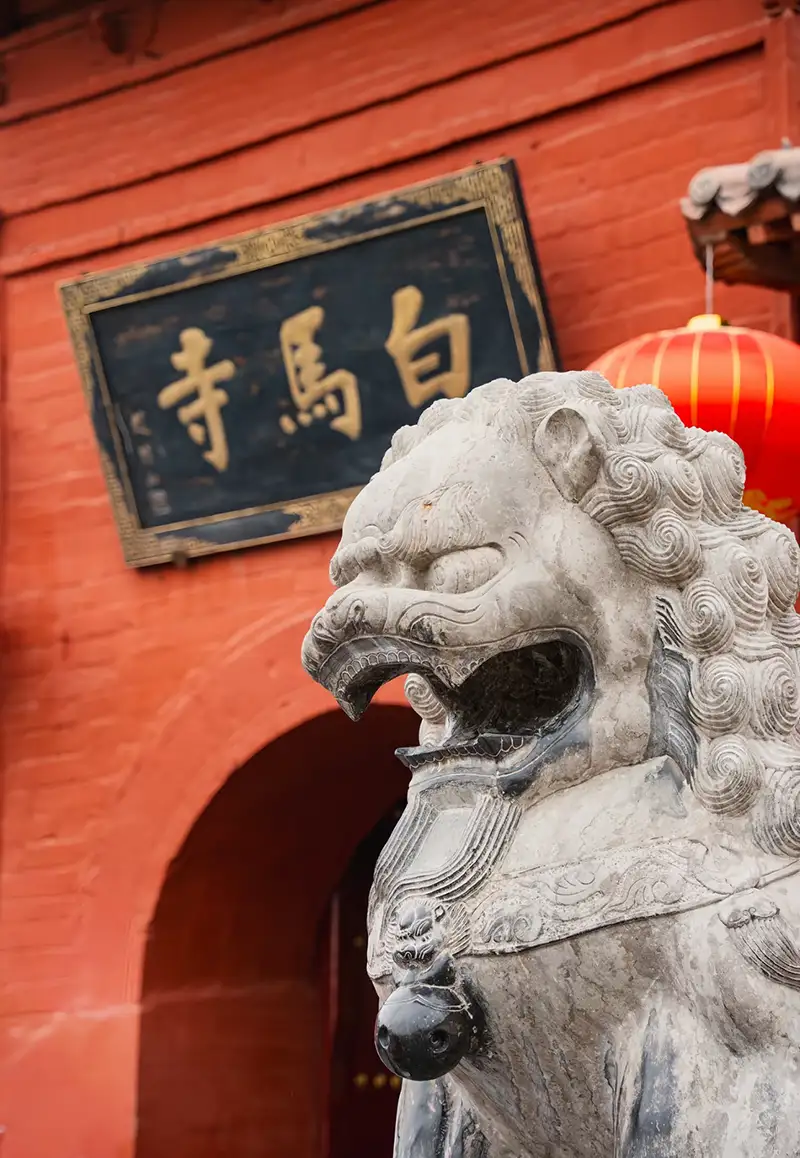
Luoyang, an ancient capital of Thirteen Dynasties, boasts over 5,000 years of civilization, more than 4,000 years of urban history and over 1,500 years as an imperial capital. It stands as a crucial birthplace of Chinese civilization. Serving as the eastern starting point of the Silk Road and the hub of the Sui-Tang Grand Canal, Luoyang long functioned as China’s political, economic and cultural heart throughout history.
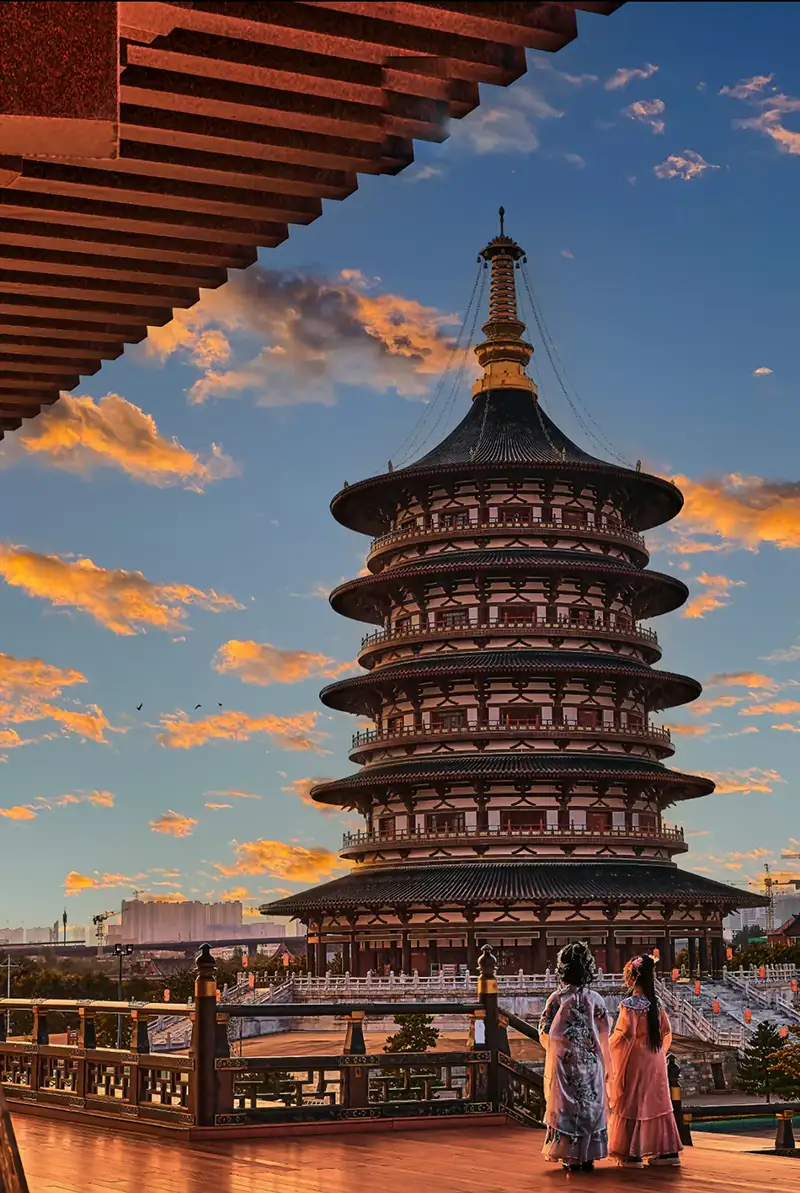
Thirteen dynasties established their capitals here, making Luoyang one of China’s cities with the longest imperial reigns.
Early Dynasties
Xia, Shang, Western Zhou and Eastern Zhou. The Xia emperors Kang, Zhongkang and Jie ruled from Zhenxun, present-day Erlitou in Yanshi. King Tang of Shang set his capital at Xibo. The Duke of Zhou constructed Chengzhou City here, and Emperor Ping moved the Zhou capital to Luoyi, marking the start of the Eastern Zhou Dynasty.
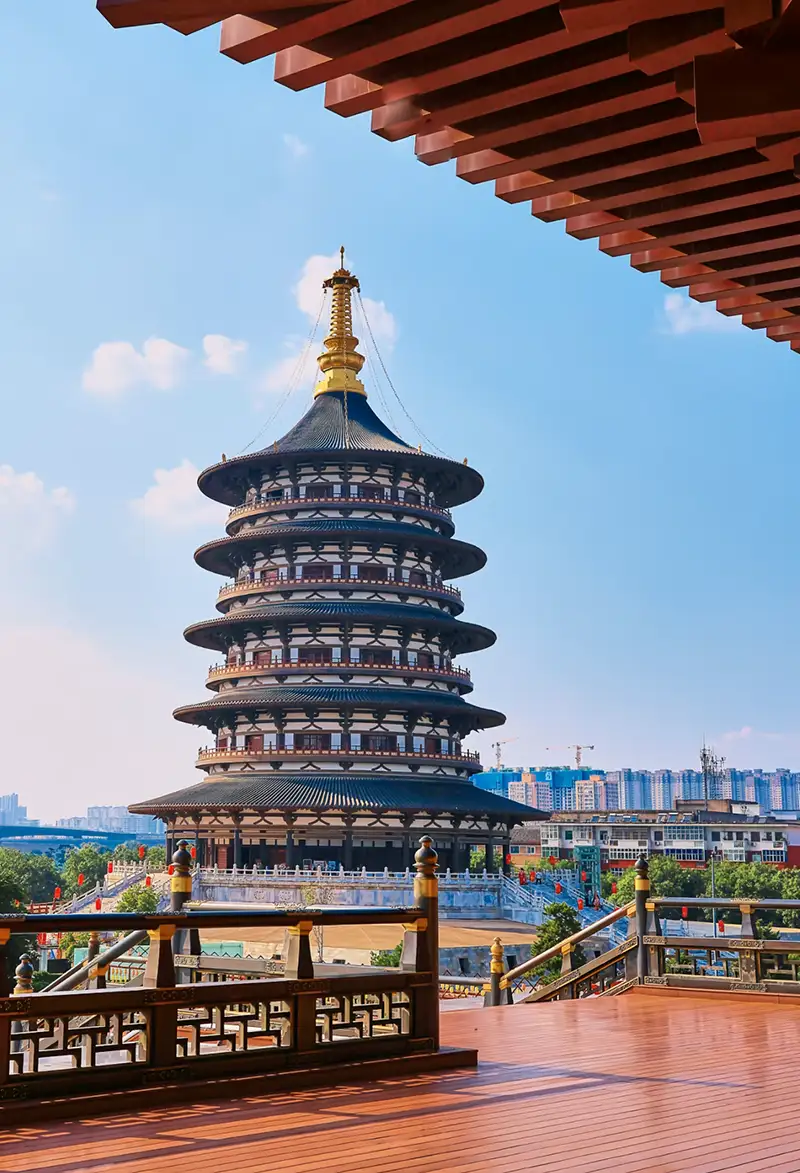
Han and Wei Periods
Eastern Han, Cao Wei, Western Jin and Northern Wei. Emperor Guangwu founded the Eastern Han Dynasty with Luoyang as its capital. The regimes of Cao Wei, Western Jin and Northern Wei later made it their capital successively. Luoyang served as the imperial capital for more than 330 years during this era.
Sui, Tang and the Five Dynasties
Sui, Tang including the Wu Zhou regime, Later Liang, Later Tang and Later Jin. Emperor Yang of Sui relocated the national capital to Luoyang. The city was known as the Eastern Capital in the Tang Dynasty and renamed the Divine Capital during Wu Zetian’s reign. It also became the capital of Later Liang, Later Tang and Later Jin in the Five Dynasties period.
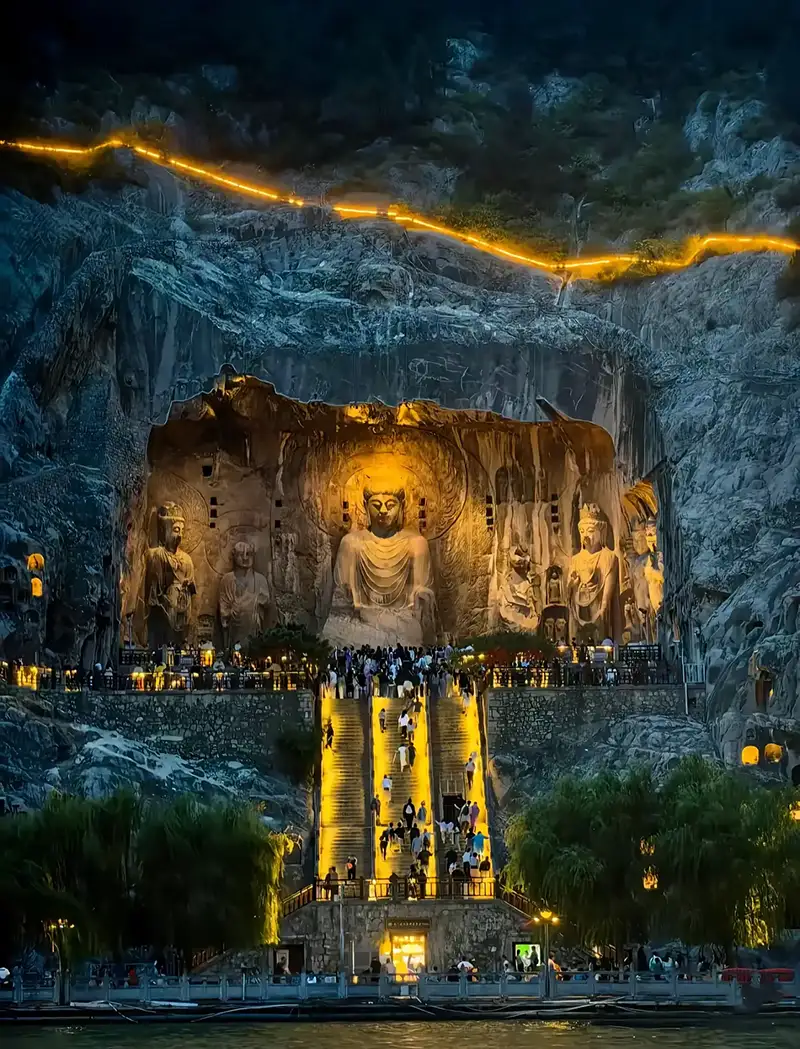
Besides, temporary regimes headed by Emperor Gengshi, warlord Wang Shichong and rebel leader An Lushan once took Luoyang as their political base.
Evolution of Luoyang City Sites
Five major ancient capital ruins have been discovered in Luoyang, namely Zhenxun of the Xia Dynasty, Xibo of the Shang Dynasty, Wangcheng of the Eastern Zhou Dynasty, Han-Wei Ancient City and Sui-Tang Luoyang City.
Han-Wei Ancient Luoyang City
Lying around 15 kilometers east of modern Luoyang urban area, the city was first built in the Western Zhou Dynasty and used until the early Tang Dynasty, spanning roughly 1,600 years.
Latest archaeological findings in 2026 verified 168 granary cellars east of the imperial palace, among which 13 have been excavated. These belonged to the national grain reserve system.
During the Northern Wei Dynasty, the triple-city layout and neighborhood market system took shape, exerting profound influence on capital construction in later ages.
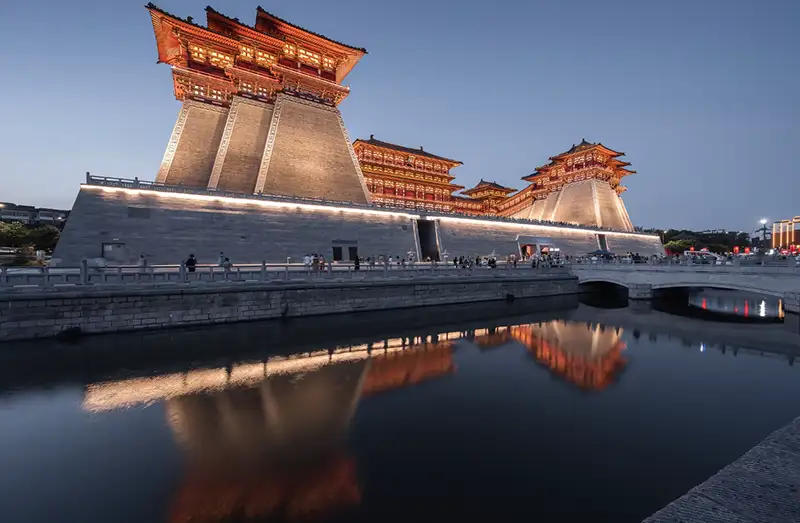
Sui-Tang Luoyang City
Founded in 605 during the reign of Emperor Yang of Sui, the city existed for over 500 years.
Emperor Yang chose the location after surveying the Yique Valley from the Mangshan Mountain, and the city was completed within ten months.
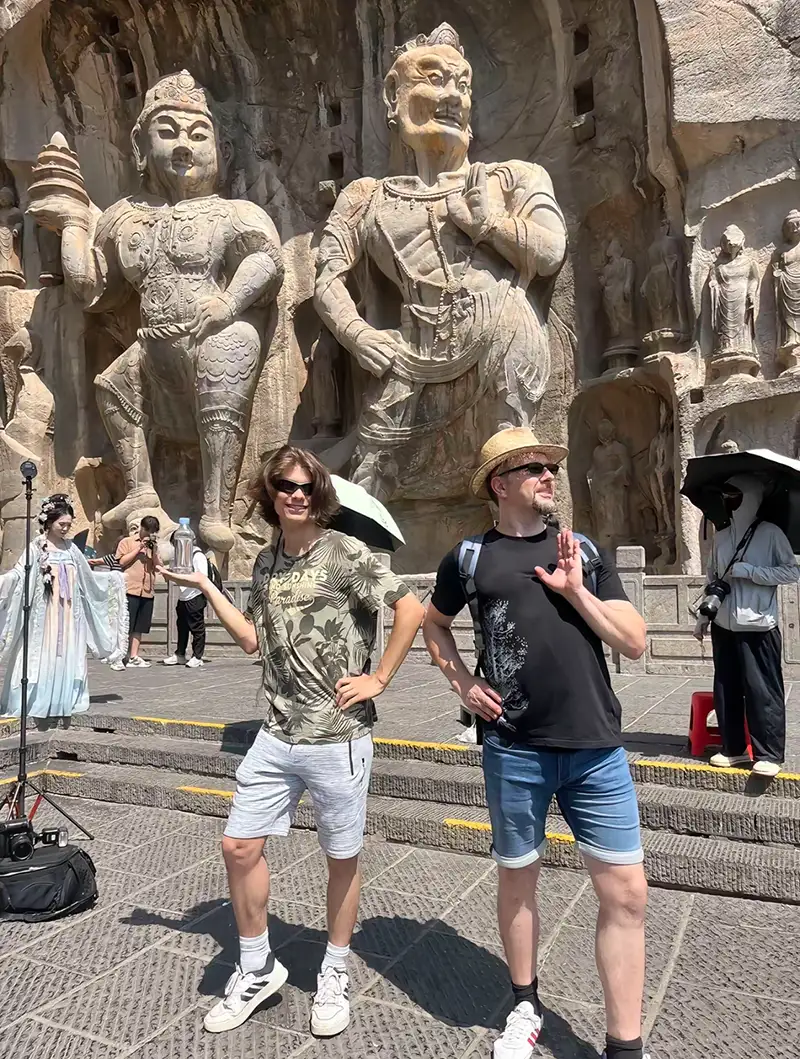
Stretching from Mangshan Mountain in the north to Longmen Grottoes in the south, it ranked alongside Chang’an as the two major imperial capitals of ancient China.